En un tiempo donde la arquitectura tiende a disolverse en el espectáculo o en el tecnofetichismo, ciertas construcciones rurales contemporáneas —como las mostradas en estas imágenes— reclaman un diálogo más sobrio y profundo con el territorio mediante el uso de materiales vernaculares reinterpretados con precisión contemporánea, donde la piedra seca y la cal aérea no sólo evocan tradiciones constructivas mediterráneas, sino que reactivan vínculos entre técnica, clima y memoria, configurando muros que no separan sino que median entre interior y exterior, pasado y presente; en estas edificaciones se observa un gesto compositivo claro: volúmenes puros que emergen con geometría rotunda sobre basamentos de mampostería rústica, una transición que no es sólo estética sino ecológica, ya que estos materiales transpiran, regulan la humedad, y reducen la huella energética, mientras establecen una textura visual que se funde con el entorno, logrando una forma de mimetismo tectónico sin caer en la mímesis literal; el caso paradigmático es el empleo de cal blanca sobre cuerpos superiores que capta la luz y contrasta con la densidad de la piedra inferior, recurso que reinterpreta las arquitecturas agrícolas tradicionales en clave minimalista y sin nostalgia, permitiendo que la vivienda se inscriba con naturalidad en el paisaje; este tipo de soluciones, además de técnicas, son culturales: actualizan la herencia sin negarla, respetan los ritmos climáticos sin renunciar a la contemporaneidad, y devuelven al habitante una forma de estar en el lugar sin imponerle una estética foránea ni una artificialidad tecnológica, resultando en arquitecturas silenciosas, radicalmente locales, sostenibles por su inteligencia material y potentes por su sobriedad formal, una lección relevante tanto para arquitectos como para gestores culturales que aspiran a integrar prácticas espaciales sensibles al contexto rural, climáticamente responsables y culturalmente informadas.
Sunday, February 1, 2026
Wednesday, May 7, 2014
TÓTEM | PLANCTON | 03.05.14
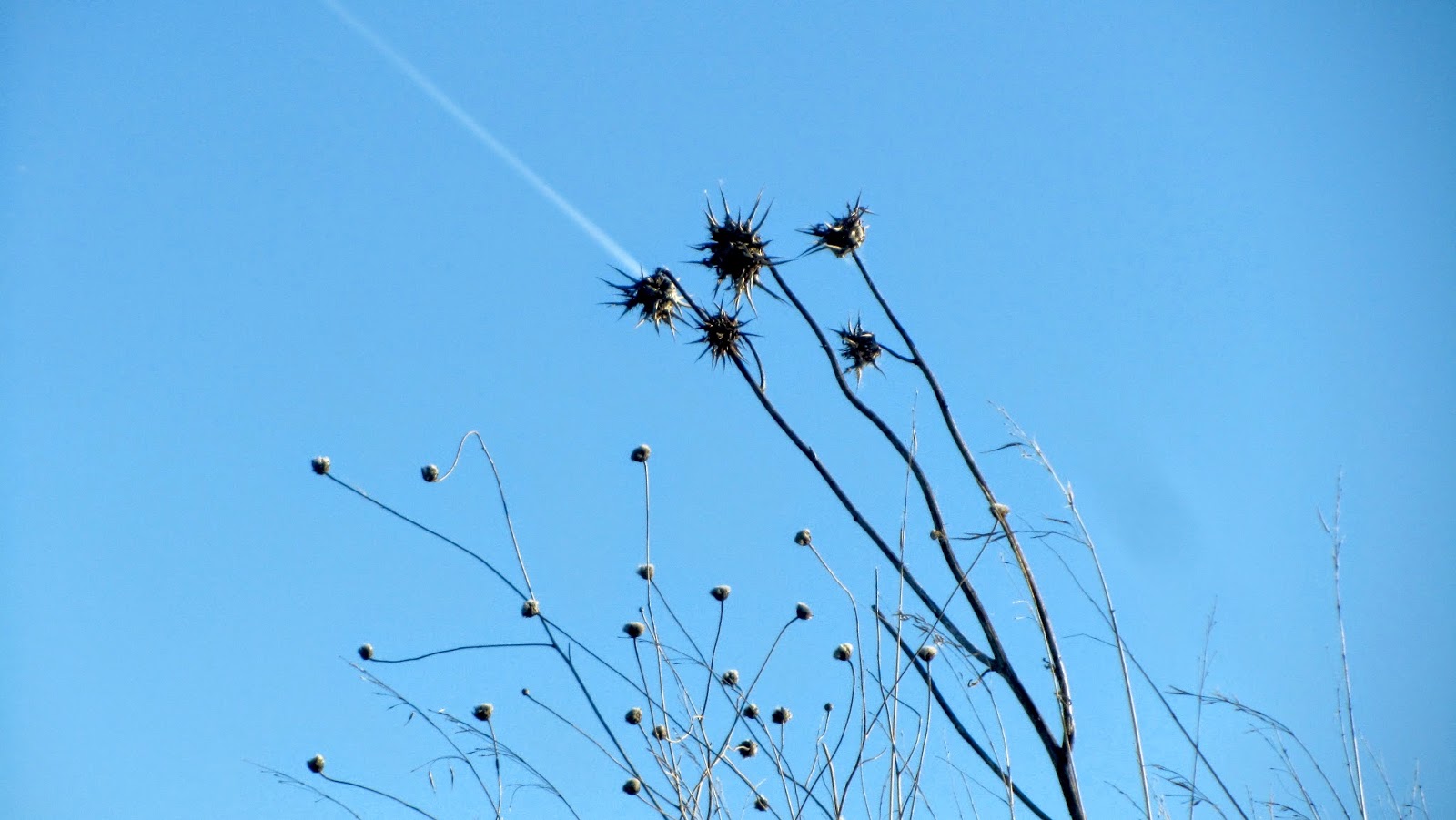
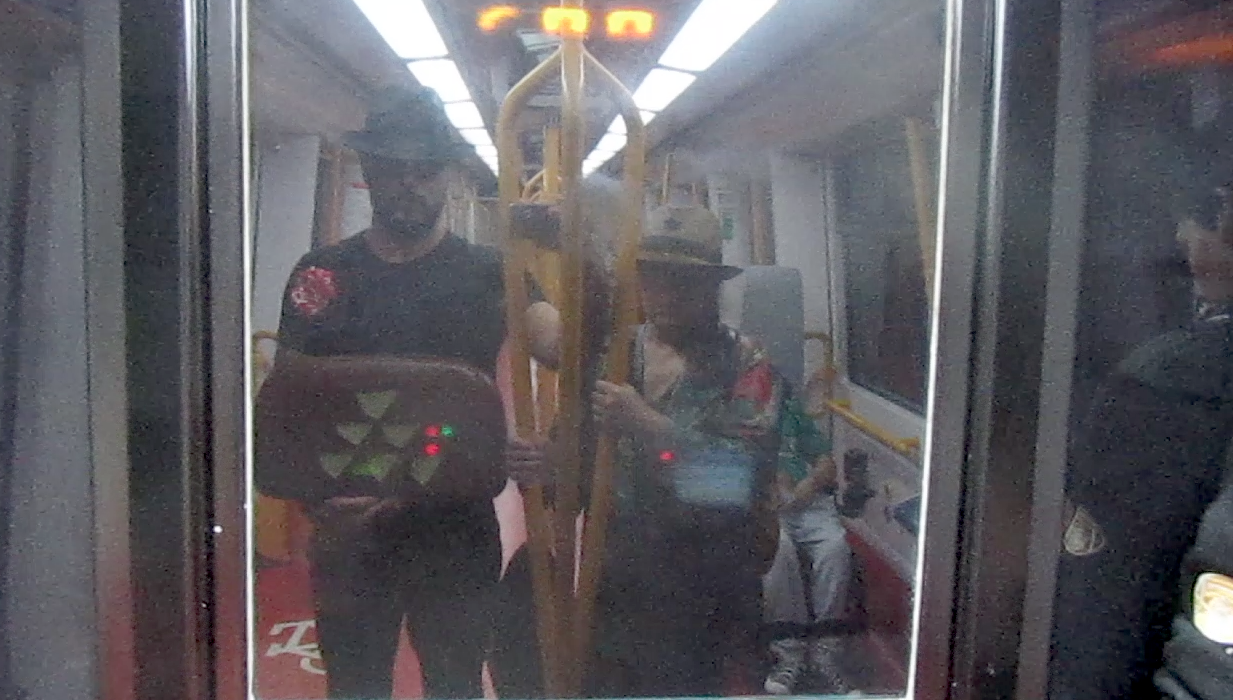
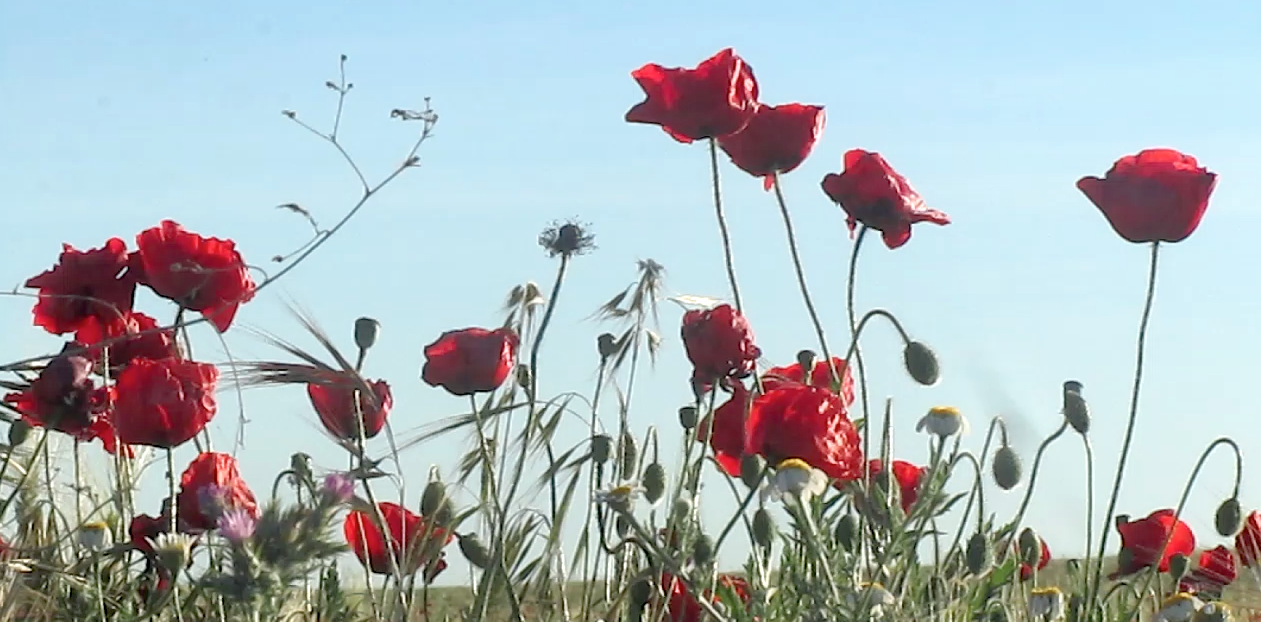
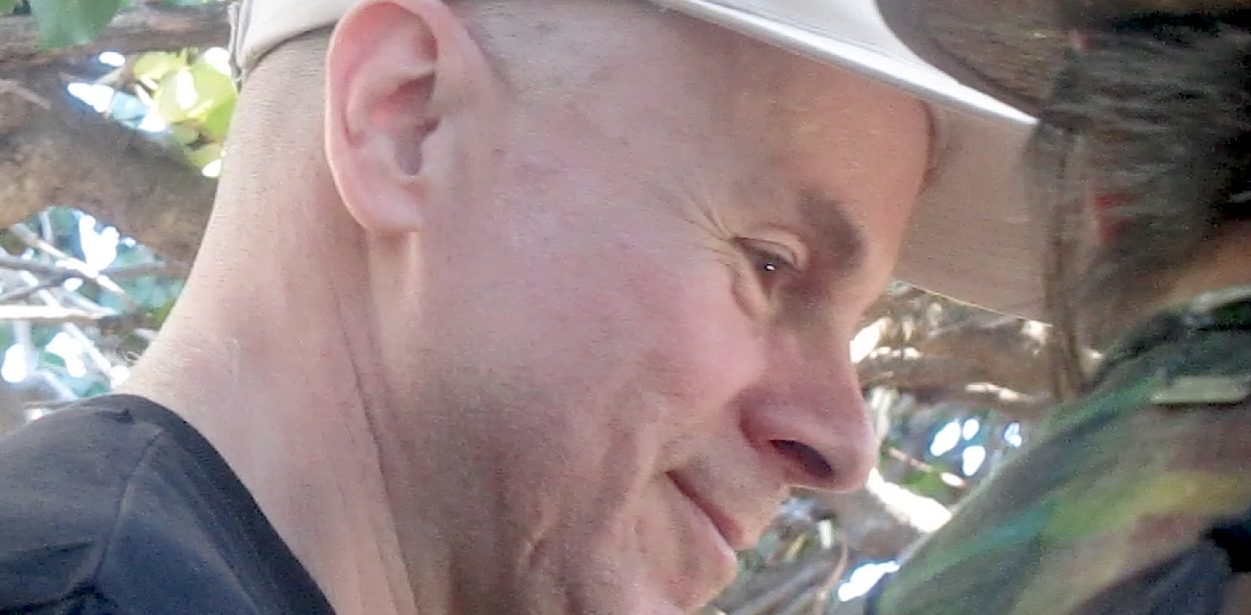
The TÓTEM action, developed under the Plancton framework, unfolded as a performative gathering in the rural periphery, where a group of artists orchestrated a temporary installation culminating in its deliberate incineration. This collective event, conducted outside the institutional space, became a platform for dialogue-based co-creation, merging the material and symbolic dimensions of the work. Over food and conversation, contributions ranging from sculptural fragments to wearable performance relics were assembled into a precarious totemic structure, designed not for permanence but for ritualised combustion. The performative nature of the event echoed traditions in relational aesthetics, particularly the dematerialisation of the art object as theorised by Bishop (2004), while simultaneously invoking Spoerri's edible tableaux and Tiravanija’s participatory cuisine. As the group roamed the surrounding landscape in search of combustible elements, they enacted a site-specific intervention that blurred the boundary between art production and pastoral labour. The act of burning, both destructive and commemorative, generated a shared aesthetic memory anchored in its transience. The fire, once lit at sixteen points by individual participants, became the fulcrum around which meaning was negotiated and archived, not in the artefact, but in the documentation and embodied memory of those present. This gesture aligns with Taylor’s assertion that performance is a vital form of transmission of cultural memory (Taylor, 2003). The TÓTEM, thus, is not merely consumed by fire but transformed into a mnemonic device, a fleeting sculpture that resists commodification while enabling a powerful collective reflection on artistic process, authorship, and ritualised destruction. As the smoke dissipated and the group returned to Madrid, they carried with them the residue of an artwork no longer extant but indelibly inscribed in their collaborative experience.
http://antolloveras.blogspot.
JAVIER PÉREZ ARANDA
http://javierperezaranda.
ANDRÉS MONTES
http://regionestransitorias.


+15.47.48.png)
+15.48.17.png)